
15 products






Black Soaps
African black soap is one of West Africa's most treasured cleansing traditions, and Herboganic makes it in its most authentic forms. This collection gathers raw cakes, spoonable paste, pourable liquids, and rich butter-enriched bars, all built around the same time-honored recipe of sun-dried plantain skins, cocoa pods, shea butter, and plant oils. Whether you want the pure original texture or a softer, moisture-rich bar, start with our best sellers: the African Black Soap Raw Cake, the ready-to-pour African Black Soap Raw Liquid, and the creamy African Black Soap with Shea Butter.
What Is African Black Soap?
African black soap, often called ose dudu or alata samina, is a traditional cleansing bar handcrafted across West Africa, most famously in Ghana and Nigeria. Its signature color and character come from plant ash: artisans sun-dry and roast plantain skins and cocoa pods, then blend that mineral-rich ash with shea butter and plant oils such as palm and coconut. The result is a naturally brown, softly textured soap that has been passed down through generations of makers who still craft it by hand in small batches.
Because it is made from whole-plant ingredients rather than synthetic bases, no two batches look exactly alike. The color ranges from caramel to deep espresso, the texture can be firm or slightly crumbly, and the scent is earthy and natural. At Herboganic, we honor that heritage by sourcing authentic recipes and offering black soap in the formats people actually reach for: solid cakes for the shower shelf, paste for easy lathering, liquids for the pump bottle, and butter-enriched bars for a richer, more cushioning wash.
At a Glance
- Origin: A traditional West African cleansing craft rooted in Ghana and Nigeria.
- Core ingredients: Plantain skin ash, cocoa pod ash, shea butter, and palm or coconut oils.
- Formats: Raw cakes, spoonable paste, pourable liquids, and butter-enriched bars.
- Use: A cosmetic cleanser for face, body, and hands as part of your daily routine.
- Character: Naturally brown color, earthy scent, and small-batch, handmade variation.
Shop Our Black Soaps
Every black soap in this collection shares the same West African roots, and the format you choose is really about texture and routine. Below we have grouped our range into three families so you can find the one that fits your sink, shower, and preferences.
Raw & Traditional Black Soap
These are black soap in its most original, unadorned forms: firm cakes and workable paste that stay closest to the heritage recipe. Reach for the African Black Soap Raw Cake or the alternative Raw African Black Handmade Soap for a classic bar, and the African Black Soap Raw Paste when you want a soft, scoopable texture that lathers quickly between the hands.
Butter-Enriched Bars
For a softer, more cushioning cleanse, our butter-enriched bars fold extra shea and cocoa butter into the traditional base. Try the African Black Soap with Shea Butter Handmade Soap or the botanical African Black Soap with Shea Butter Herbal Soap for a shea-rich feel, and the African Black Soap with Cocoa Butter Handmade Soap or African Black Soap with Cocoa Butter Herbal Soap when you prefer the warm, comforting note of cocoa butter.
Liquid Black Soaps
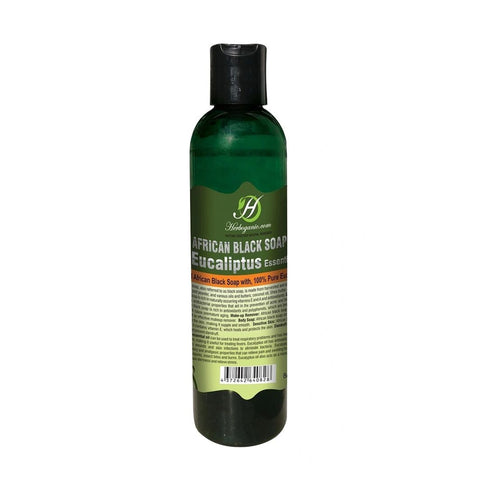
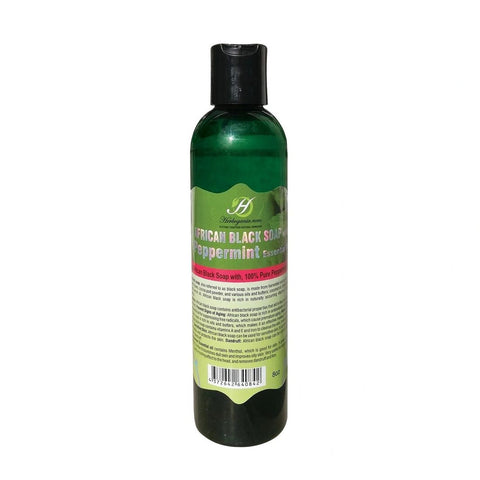
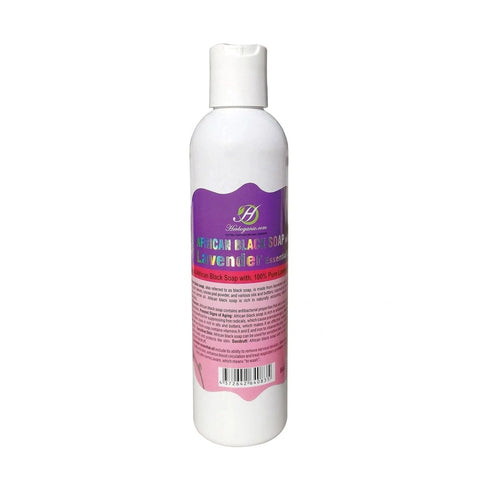
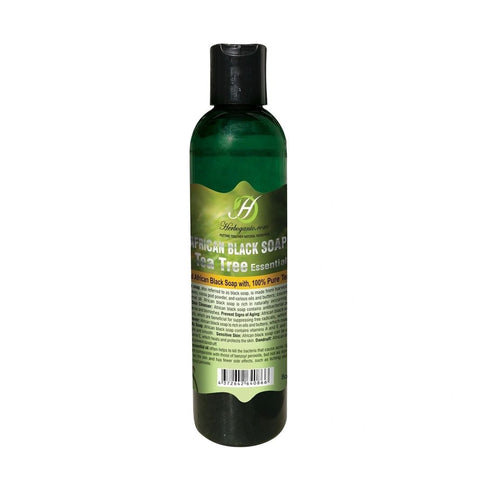
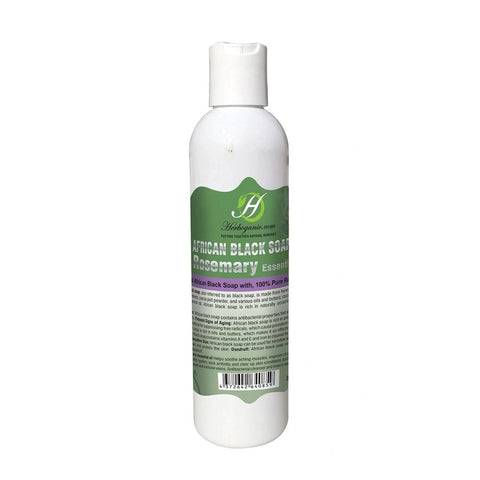
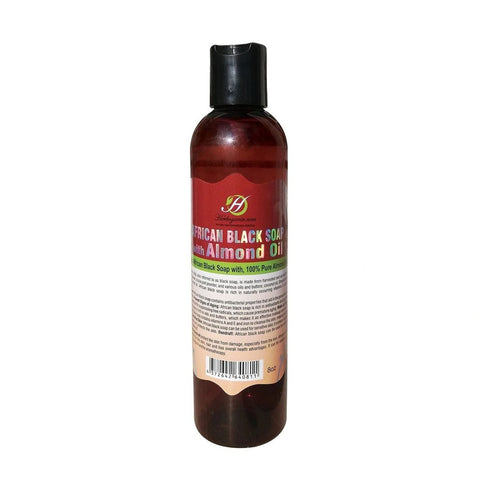
Prefer a pump or a pour? Our liquid black soaps deliver the same tradition in an easy, ready-to-use form. Start with the unscented African Black Soap Raw Liquid, or choose a gently scented option: Eucalyptus Essential Oil, Peppermint Essential Oil, Lavender Essential Oil, Rosemary Essential Oil, or the cleansing Tea Tree Essential Oil bar. For an extra-nourishing liquid, look to the Shea Nut Oil or Almond Oil versions. The almond-oil variant contains nut-derived oil, so please check labels for allergens before use.
How to Use African Black Soap
- Wet your skin with warm water and, if using a cake, wet the bar or break off a small piece rather than lathering the whole block at once.
- Work up a lather in your hands, on a washcloth, or with a soft sponge. A little goes a long way, so start small and add more only if needed.
- Gently massage the lather over your face, body, or hands in light circular motions, avoiding the eye area.
- Rinse thoroughly with clean water until the skin no longer feels slippery, then pat dry with a soft towel.
- Follow with your favorite moisturizer, and store cakes or paste on a well-draining dish so they dry between uses and last longer.
Which Black Soap Is Right for You?
| Your Preference | Product | Best For |
|---|---|---|
| The pure original | African Black Soap Raw Cake | A traditional solid bar for the shower shelf |
| Easy lathering | African Black Soap Raw Paste | A soft, scoopable texture that whips up fast |
| Extra richness | African Black Soap with Shea Butter | A cushioning, butter-enriched daily bar |
| Pump-and-go convenience | African Black Soap Raw Liquid | Ready-to-use cleansing at the sink or shower |
| A gentle scent | Liquid with Lavender Essential Oil | A softly fragranced, relaxing wash |
Why Buy From Herboganic?
- Authentic heritage recipes: Our black soap follows the traditional West African craft of plantain and cocoa ash blended with shea butter and plant oils.
- Every format you want: Cakes, paste, liquids, and butter-enriched bars, so you can match texture to your routine.
- Handmade, small-batch character: Naturally varied color and scent that reflect genuine artisan production, not mass-market shortcuts.
- Thoughtful scented options: Gently fragranced essential-oil and nourishing-oil variants for those who want more than the plain original.
Black Soap FAQs
What makes African black soap different from regular soap?
Traditional African black soap is made from whole-plant ingredients, chiefly sun-dried plantain skin ash and cocoa pod ash combined with shea butter and plant oils, rather than from synthetic detergent bases. This gives it a naturally brown color, an earthy scent, and a handmade, small-batch character that varies from bar to bar.
Why does the color and texture vary between batches?
Because our soap is crafted by hand from natural plant materials, each batch reflects its own ingredients and drying conditions. Color can range from caramel to deep brown and texture can be firm or slightly crumbly. This natural variation is a sign of authentic, traditionally made black soap.
Can I use African black soap on my face and body?
Yes. African black soap is a versatile cosmetic cleanser you can use on the face, body, and hands. Many people keep a cake or liquid in the shower for the body and a smaller piece at the sink for the face. As with any cleanser, avoid the eye area and rinse well.
Should I choose raw, butter-enriched, or liquid?
Choose raw cakes or paste for the most traditional, unadorned experience, butter-enriched bars for a softer and more cushioning feel from added shea or cocoa butter, and liquids for pump-and-go convenience. It comes down to the texture and routine you prefer.
Are the essential-oil versions scented or medicinal?
Our tea tree, rosemary, eucalyptus, peppermint, and lavender variants are simply gently scented, cleansing soaps. The essential oils are included for their pleasant natural fragrance and are not intended for any medicinal purpose.
Do any variants contain nut-derived ingredients?
Yes. The Almond Oil liquid contains nut-derived oil, and shea and cocoa butters are also botanical. If you have a nut allergy or other sensitivities, please read the full ingredient list on each product label before use.
For external use only. Patch test before first use and keep out of eyes. Discontinue use if irritation occurs.