
5 products


Rosemary Products
Few plants earn a place in the kitchen, the bathroom, and the teacup all at once, but rosemary products manage exactly that. This collection gathers rosemary in its most useful everyday forms: concentrated Rosemary Essential Oil for dilution and ritual, a hand-poured Rosemary Herbal Soap for the sink and shower, and a fragrant Rosemary Herbal Tea Box for slow mornings. Whether you are new to herbal care or restocking a favorite, start here.
What Is Rosemary?
Rosemary is a woody evergreen shrub with slender, needle-like leaves and small pale flowers, native to the rocky coastlines and dry hillsides of the Mediterranean. It has grown alongside people for thousands of years, turning up in roasting pans, wedding garlands, bathhouses, and the wooden chests of village apothecaries. Crush a sprig between your fingers and the plant introduces itself immediately: pine-forest sharpness, a hint of camphor, something green and faintly medicinal underneath.
That aroma comes from volatile aromatic compounds concentrated in the leaves, chiefly cineole and camphor, which are captured by steam distillation to make rosemary essential oil and drawn out more gently by hot water when you brew the dried leaf as tea. The same plant, then, arrives in very different intensities depending on how it is prepared, which is why a single drop of the oil goes a long way while a full teaspoon of leaf makes one comfortable cup.
Rosemary at a Glance
- Botanical name: Salvia rosmarinifolia, formerly classified as Rosmarinus officinalis, an evergreen shrub in the mint family native to the Mediterranean region.
- Distinctive leaves: narrow, needle-like, deep green above and paler beneath, holding their fragrance well after drying.
- Signature aroma: cineole and camphor give rosemary its clean, pine-like, faintly peppery scent.
- Name origin: the word derives from Latin roots meaning "dew of the sea," a nod to the coastal cliffs where it thrives.
- Traditional uses: a beloved culinary herb and a long-standing fixture of traditional herbal hair rinses passed down through generations.
Shop Our Rosemary Collection by Category
Three simple formats cover almost every way people reach for rosemary at home.
Rosemary Essential Oil
Our Rosemary Essential Oil is the most concentrated item in the collection and the most versatile. Blended into a carrier oil it becomes a scalp and body massage oil; added to a diffuser it fills a room with clean, herbaceous air; stirred into an unscented lotion or a bowl of steaming water it brings that unmistakable green-pine lift. Because it is potent, it is always diluted before it touches skin, and it is intended for external use only.
Rosemary Soaps & Cleansers
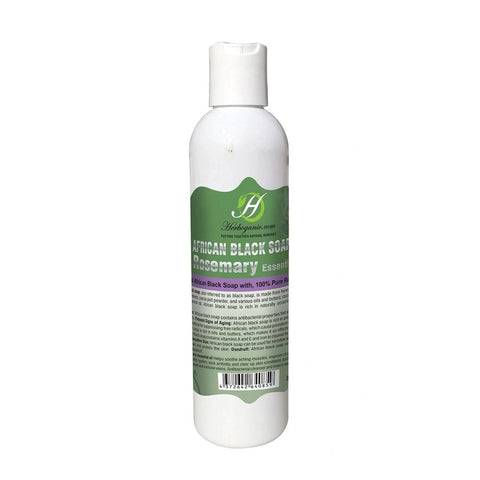
For everyday washing, the Rosemary Herbal Soap delivers rosemary in its friendliest form, a firm bar with a soft lather and a brisk, garden-fresh scent that suits morning showers and kitchen sinks alike. If you prefer a botanical blend, the Neem, Rosemary & Turmeric Herbal Soap layers rosemary with two other time-honored herbs for a deeper, earthier bar with a warm golden cast. And for anyone who likes a liquid cleanser, the African Black Soap Liquid With Rosemary Essential Oil pairs the traditional West African base with rosemary oil, making it easy to use as a body wash or a scalp-friendly cleanse that leaves hair looking shiny and healthy.
Rosemary Herbal Tea
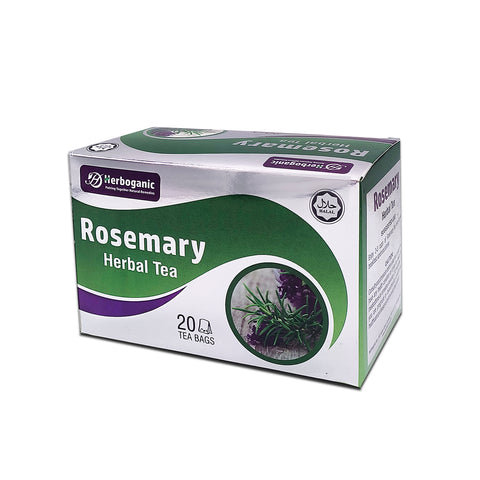
The Rosemary Herbal Tea Box is rosemary at its most relaxed. Naturally caffeine-free, it steeps into a pale golden cup with a savory, piney character that suits the afternoon slump or the hour after dinner. Many people take it plain; others add honey, lemon, or a slice of ginger to round out the edges.
Rosemary Benefits: Fresh, Clean, Invigorating
Scalp & Hair
- An invigorating massage: diluted rosemary oil worked into the scalp makes for a refreshing, invigorating scalp massage at the start or end of the day.
- A comfortable, clean feeling: rosemary cleansers help the scalp feel clean and comfortable after a workout or a long, warm day.
- Visible shine: used as part of a regular wash routine, rosemary leaves hair looking shiny and healthy.
- A generational ritual: a classic herbal hair rinse used for generations, still made the same simple way with brewed leaf and cool water.
Skin
- A brisk cleanse: rosemary soaps rinse away the day without leaving a heavy, filmy feel behind.
- Herbal layering: blends with neem and turmeric bring extra botanical character to a single bar.
- Fragrance that lingers lightly: the green, resinous scent stays on skin just long enough to notice, then fades cleanly.
- Simple, recognizable ingredients: plant-based cleansers you can pronounce, suited to daily washing.
Senses & Ritual
- A room that smells alive: a few drops in a diffuser give a space that crisp, just-clipped-herb atmosphere.
- Steam and quiet: a bowl of hot water and a towel makes for a simple, aromatic pause.
- A warm cup to slow down with: caffeine-free rosemary tea fits comfortably into an evening wind-down.
- Everyday ceremony: small, repeatable rituals that make ordinary routines feel considered.
How to Use Rosemary Products
- Always dilute the essential oil first. Rosemary Essential Oil is for external use only and must never be applied undiluted or swallowed. Mix a few drops into a carrier oil such as jojoba, coconut, or sweet almond before any skin or scalp contact. Patch test the diluted blend on a small area of your inner arm and wait 24 hours before wider use. Keep the oil well away from your eyes and inner ears, and out of reach of children.
- Massage the diluted blend into the scalp. Warm a small amount between your palms, part the hair in sections, and work it in with your fingertips for a few minutes. Leave it on for 20 to 30 minutes, then shampoo out thoroughly.
- Wash with a rosemary bar or liquid. Lather the soap between wet hands or on a washcloth, cleanse, and rinse well. The African black soap liquid can be diluted with a little water in your palm for a softer, more spreadable lather.
- Brew the tea properly. Use about one teaspoon of dried rosemary per eight ounces of just-boiled water, cover, and steep for five to ten minutes. Strain and sip; cover the cup while steeping to keep the aromatics in the water rather than in the air.
- Store everything well and stay consistent. Herbal routines reward repetition more than intensity. Keep the oil tightly capped in a cool, dark cupboard, let soap bars drain between uses, and give any new routine a few weeks before judging it.
Which Rosemary Product Is Right for You?
| Your Goal | Best Rosemary Product | How to Use It |
|---|---|---|
| A refreshing, invigorating scalp massage | Rosemary Essential Oil | Dilute several drops in a carrier oil, patch test, then massage in and rinse out after 20-30 minutes. |
| An everyday bar for shower and sink | Rosemary Herbal Soap | Lather on wet skin, rinse well, and let the bar dry on a draining dish. |
| A multi-herb bar with extra botanical character | Neem, Rosemary & Turmeric Herbal Soap | Use as your daily cleansing bar; rinse thoroughly and store away from standing water. |
| A liquid cleanser for body and scalp | African Black Soap Liquid With Rosemary Essential Oil | Dispense into wet hands, dilute slightly if desired, massage in, and rinse completely. |
| A caffeine-free herbal cup | Rosemary Herbal Tea Box | Steep one teaspoon in eight ounces of hot water for five to ten minutes, covered, then strain. |
Why Buy Rosemary Products From Herboganic?
- One herb, several formats: oil, bar soap, liquid cleanser, and loose tea, so you can build a routine instead of buying a one-off.
- Plant-forward formulas: straightforward herbal ingredients, with rosemary front and center rather than buried at the end of a label.
- Clear, honest guidance: real dilution instructions, brewing ratios, and safety notes on every collection page, no vague promises.
- Small-batch care: products made in modest runs and packed for freshness, so the aroma you open is the aroma we intended.
Rosemary FAQs
What is rosemary good for?
Rosemary is best known as a culinary herb and as an aromatic used in personal care. In this collection it shows up three ways: as a diluted massage oil for a refreshing, invigorating scalp massage, as a cleansing soap that helps skin and scalp feel clean and comfortable, and as a caffeine-free herbal tea with a savory, piney flavor. It is also a long-standing ingredient in traditional herbal hair rinses.
How do I dilute rosemary essential oil?
A common approach for general body and scalp use is roughly 6 to 12 drops of essential oil per ounce of carrier oil such as jojoba, coconut, or sweet almond. Start on the lower end, especially if you have sensitive skin. Always patch test the diluted blend on your inner arm and wait 24 hours before applying it more widely. Never apply the oil undiluted.
Can I use rosemary oil on my scalp?
Yes, once it is properly diluted in a carrier oil. Section the hair, massage the blend into the scalp with your fingertips for a few minutes, leave it 20 to 30 minutes, then shampoo out. Keep it away from the eyes, and stop use if you notice any irritation. Rosemary Essential Oil is for external use only and should never be swallowed.
Is rosemary tea caffeine-free?
Yes. Rosemary tea is a herbal infusion made from the leaves of the rosemary plant, not from the tea plant, so it contains no caffeine naturally. That makes it a comfortable option in the evening or any time you would rather skip coffee and black tea.
What does rosemary tea taste like?
It brews into a pale golden cup with a distinctly savory, pine-like character and a slightly resinous, herbaceous finish, closer to a garden than a dessert. Steeping too long makes it sharper, so start at five minutes. Honey, lemon, or fresh ginger all soften the edges nicely if you prefer a rounder cup.
How should I store rosemary products?
Keep the essential oil tightly capped in a cool, dark place away from direct sunlight and heat, which degrade aromatic compounds over time. Store dried tea leaf in a sealed container away from moisture and strong odors. Let soap bars dry on a draining dish between uses so they last longer, and keep liquid cleanser capped and upright.
Can I use rosemary every day?
Many people include rosemary soap in a daily wash routine and use diluted rosemary oil a few times a week. For rosemary tea, please consult a qualified healthcare provider before drinking it regularly if you are pregnant, nursing, taking medication, or managing a health condition. Discontinue use of any product if irritation or discomfort occurs.
These statements have not been evaluated by the Food and Drug Administration. These products are not intended to diagnose, treat, cure, or prevent any disease.