
15 products








Shea Products
Our shea butter products give you one of the most loved skin and hair ingredients in three easy formats: scoopable tubs, light whipped textures and cleansing bars. Start with a classic tub of Shea Butter White or Shea Butter Yellow, Natural and Fresh, try the airy Raw African Shea Butter Whipped & Creamy, or bring shea into your shower with African Black Soap with Shea Butter Handmade Soap. Whatever your routine looks like, there is a shea format here that fits it.
What Is Shea Butter?
Shea butter is a thick, ivory-to-golden butter pressed from the nuts of the shea tree, which grows across the savanna belt of West Africa. The tree is often called karité, and the butter has been used in West African skincare and haircare traditions for centuries. The nuts are gathered, cracked, roasted or sun-dried, ground and then pressed or kneaded until the fat separates out. What is left is the rich, waxy butter you scoop from the jar.
What makes shea so useful on skin is its texture and composition. It is solid in the jar but softens the moment it touches warm skin, so a small amount spreads much further than it looks like it will. It is naturally rich in oleic and stearic fatty acids, which is why it feels both slippery and substantial, and it naturally contains vitamins A and E. Because it is an anhydrous butter with no water in it, shea works beautifully as a sealing layer over damp skin, holding moisture in place instead of letting it evaporate.
Shea Butter at a Glance
- Pressed from the nuts of the West African shea tree: also known as the karité tree.
- Naturally contains vitamins A and E, two nutrients long associated with nourishing skincare butters.
- Rich in oleic and stearic fatty acids, which give shea its cushiony slip and its firm body.
- Solid at room temperature and melts at skin temperature, so it turns to oil between your palms.
- Centuries of use in West African skincare tradition, from daily body care to hair and edge care.
Shop Our Shea Collection by Category
The collection breaks down into three simple groups, pure butters, cleansing bars and shea-infused blends. Here is what belongs in each and how to pick between them.
Raw & Whipped Shea Butters
This is shea in its purest, most concentrated form. Shea Butter White is the milder, more neutral option: paler in color, softer in scent, and easy to wear under fragrance or before bed. Shea Butter Yellow, Natural and Fresh is the traditional golden version, which carries a nuttier natural aroma and a warmer tone. The difference between yellow and white shea is mostly about processing and natural color, yellow shea keeps more of its characteristic scent and hue, while white shea is more neutral in both. Neither is "better"; choose the one whose color and scent you prefer next to your skin. If you go through shea quickly or make your own body products, the Shea Butter Yellow/White Natural and Fresh Bulk option lets you stock up on either shade in a larger format.
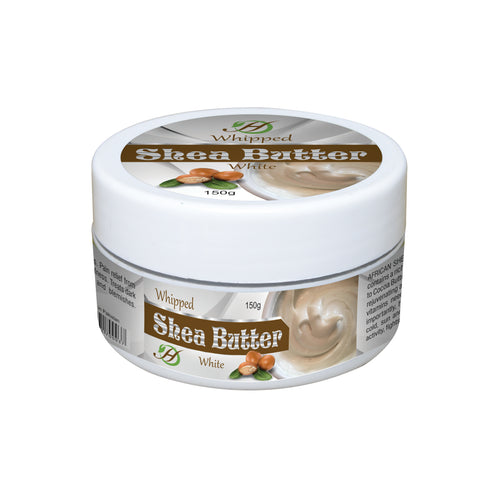
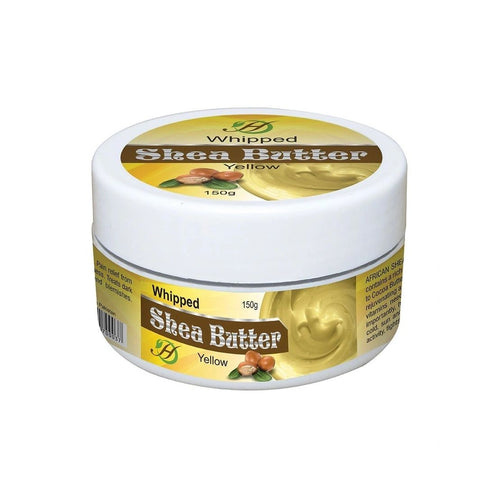
Whipped shea is the same butter with air worked into it. Raw shea straight from the jar is dense and needs a moment of warming before it spreads; whipped shea has been beaten into a soft, mousse-like texture that scoops up light and melts almost instantly. That makes it far easier to apply over large areas or to spread on a child's skin. Raw African Shea Butter Whipped & Creamy is the fluffiest of the three, while Whipped Shea Butter White and Whipped Shea Butter Yellow give you the same whipped texture in the shade you already like. Raw is best for heavy-duty sealing on hands, heels and elbows; whipped is best for everyday all-over use.
Shea Butter Soaps
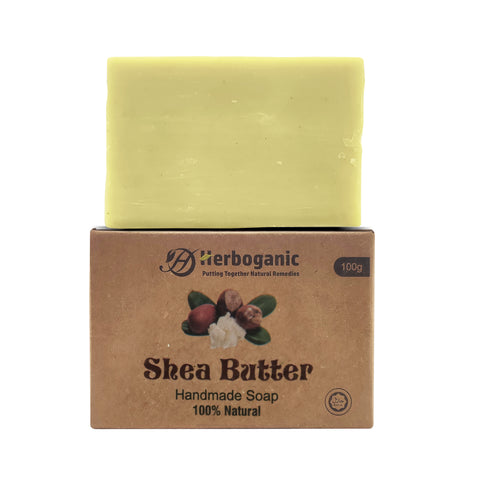
If you want shea in your routine without adding a step, start in the shower. Shea Butter Handmade Soap is the straightforward choice, a handmade bar built around shea, so washing leaves skin feeling comfortable instead of tight. For a deeper cleanse with the same buttery cushion, the African black soap bars pair shea with traditional black soap: African Black Soap with Shea Butter Handmade Soap and African Black Soap with Shea Butter Herbal Soap are both popular picks for body and hands.
From there, the herbal bars let you choose a character. Black Seed, Charcoal and Shea Butter Herbal Soap is the deep-cleansing charcoal option for anyone who likes a purifying wash. Jasmine, Honey and Shea Butter Herbal Soap is the softest and most floral of the group. And Palm Oil, Shea Butter and Cocoa Butter Herbal Soap stacks two butters together for the richest, most conditioning lather in the collection.
Shea-Infused Blends & Creams
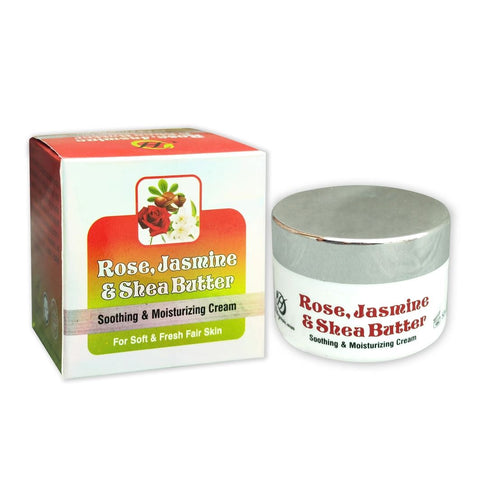
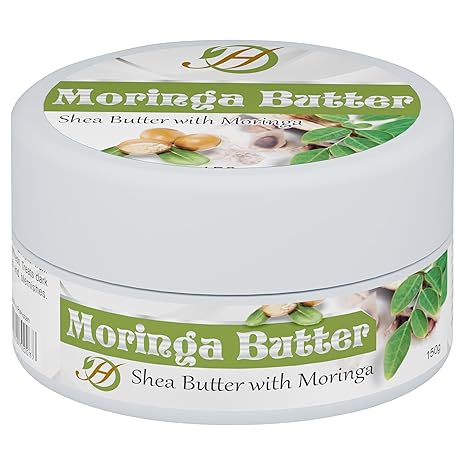
Some people want shea's richness with a lighter, more lotion-like finish or an added botanical. Turmeric Shea Butter blends shea with turmeric for a warm golden butter that has become a favorite for elbows, knees and hands. Moringa Shea Butter pairs shea with moringa, a green botanical long used in traditional care routines. For the lightest finish here, Rose, Jasmine and Shea Butter Soothing and Moisturising Cream delivers shea in a smooth, quickly absorbed cream with a soft floral scent, a good pick for face, neck and hands, or for anyone who finds pure butter too heavy in warm weather.
Shea Butter Benefits for Skin and Hair
Deep Moisture
- Deeply moisturizes dry areas like heels, elbows, knees and knuckles that thin lotions never quite satisfy.
- Comforts the look of dry, rough patches, leaving skin looking smoother and more even in texture.
- Seals in water after washing, since shea contains no water itself and sits on top as a soft occlusive layer.
- Softens the feel of tight skin within minutes of application, so skin feels supple rather than stiff.
Hair & Ends
- Smooths dry, frizzy ends when warmed and pressed through the last few inches of hair.
- Adds slip for detangling, making combing through coils and curls noticeably easier.
- Conditions edges and hairline with a small amount worked in with fingertips.
- Gives dull strands a soft sheen without the wet, greasy look of heavier pomades.
Everyday Protection
- Helps skin feel protected against harsh weather such as winter wind, dry indoor heat and cold air.
- Cushions hands after frequent washing, which is why a jar near the sink gets used constantly.
- Works as a simple, single-ingredient option for anyone trying to shorten their routine.
- Doubles as a massage and post-shower butter, so one jar covers several needs.
How to Use Shea Butter
- Warm it between your palms until it melts. Scoop a small amount and rub your hands together for a few seconds, the butter turns to a clear oil and spreads much more evenly.
- Apply to damp skin. Right after a shower or bath, while skin is still slightly wet, is the best moment. Shea seals that surface water in instead of applying over dry skin.
- Remember that a little goes a long way. Start with an amount the size of a pea for hands or a marble for a whole limb. Too much is the most common reason shea feels greasy.
- Use it on hair ends and edges. Melt a tiny amount and press it through the ends, or smooth it along the hairline. Keep it away from the roots if your scalp runs oily.
- Bring the soaps into the shower. Lather a shea or black soap bar, wash as usual, rinse, pat dry and follow with a butter or cream while skin is still damp.
Which Shea Product Is Right for You?
| Your Goal | Best Shea Product | How to Use It |
|---|---|---|
| Very dry hands, heels and elbows | Shea Butter Yellow, Natural and Fresh | Warm a small scoop between palms and press into damp skin nightly. |
| A neutral, low-scent daily butter | Shea Butter White | Apply after showering, or under your usual fragrance. |
| Easy all-over body application | Raw African Shea Butter Whipped & Creamy | Scoop and glide straight onto damp arms, legs and shoulders. |
| Light whipped texture in your preferred shade | Whipped Shea Butter White or Whipped Shea Butter Yellow | Use morning and night wherever skin feels tight. |
| A deep-cleansing daily wash | Black Seed, Charcoal and Shea Butter Herbal Soap | Lather on body or hands, rinse, then moisturize while damp. |
| A rich, conditioning lather | Palm Oil, Shea Butter and Cocoa Butter Herbal Soap | Use in the shower in place of your regular body bar. |
| Refilling, sharing or DIY projects | Shea Butter Yellow/White Natural and Fresh Bulk | Decant into smaller jars, or melt as a base for your own blends. |
Why Buy Shea Products From Herboganic?
- One collection, every shea format. Raw tubs, whipped textures, herbal soaps and finished creams sit side by side, so you can match the format to the routine instead of settling.
- Both shades, your choice. Yellow and white shea are stocked in raw, whipped and bulk sizes, so you never have to compromise on color or scent.
- Botanical blends you won't find everywhere. Turmeric, moringa, black seed, charcoal, jasmine, honey and cocoa butter pairings give you more than a plain jar.
- Straightforward ingredient labeling. Every product page tells you exactly what is in the jar or bar, so you can shop with confidence.
Shea Butter FAQs
What does shea butter actually do for skin?
Shea butter is a rich emollient and sealing butter. It softens the feel of dry skin, deeply moisturizes areas that thinner lotions can't satisfy, and helps skin feel protected against harsh weather. Because it contains no water, it works best layered over damp skin, where it holds surface moisture in place and comforts the look of dry, rough patches.
What's the difference between yellow and white shea butter?
The difference is mainly color, scent and processing. Yellow shea keeps its traditional golden tone and a warmer, nuttier natural aroma. White shea is paler and more neutral in smell, which suits anyone who layers fragrance or prefers no scent at all. Both moisturize the same way, so pick the one you enjoy wearing. If you can't decide, the bulk listing lets you choose either shade.
Should I choose raw or whipped shea butter?
Raw shea is dense and concentrated. It needs a few seconds of warming between your palms and is ideal for targeted, heavy-duty spots like heels, elbows and knuckles. Whipped shea has air worked into it, giving a soft, mousse-like texture that spreads instantly and suits all-over body use. Many people keep both: a raw jar for problem areas and a whipped tub for daily use.
Will shea butter clog my pores?
Shea is a heavy butter, so it's better suited to the body than to easily congested facial skin. If you want to use it on your face, apply a very thin layer at night and see how your skin responds, or choose a lighter option like the rose and jasmine cream instead. Patch test any new product on a small area first. Shea comes from a tree nut, so if you have a tree-nut allergy, check with your healthcare provider before using it.
Can I use shea butter on my hair?
Yes, it's a long-standing favorite for dry ends, coils and edges. Melt a very small amount between your fingers and press it through the last few inches of hair, or smooth it along the hairline. Use it sparingly and keep it off the roots if your scalp gets oily quickly. Whipped shea is easiest to distribute through hair because it melts faster than a raw block.
Why does my shea butter feel grainy, and how do I fix it?
Graininess is normal and harmless. Shea contains fatty acids that solidify at different rates, so if the butter partially melts and then cools slowly, during shipping or in a warm room, small crystals form. To fix it, melt the butter gently in a warm water bath until fully liquid, then cool it quickly in the refrigerator. It will set smooth again. The grains also disappear the moment the butter warms on your skin.
How should I store shea butter, and what if it melts?
Keep it in a closed jar away from direct sunlight and heat, ideally somewhere cool and dry. Melted shea is not spoiled, simply let it resolidify, or firm it up in the refrigerator for a smoother set. Always scoop with clean, dry hands or a small spatula to keep water out of the jar, and keep soaps on a draining dish between uses so the bars last longer.