
5 products



Coconut Products
Coconut products have traveled from tropical kitchens to bathroom shelves worldwide, and this collection gathers the most useful of them in one place. Whether you want a versatile jar of Organic Coconut Oil Natural for cooking and body care, a pre-wash treatment like Coconut Herbal Hair Oil, or an everyday cleansing bar such as Coconut Herbal Soap, coconut adapts to the job. Below you will find what coconut oil actually is, how to use each format, and which product fits your routine.
What Is Coconut Oil?
Coconut oil is the fat pressed from the white flesh of the coconut, the fruit of the coconut palm Cocos nucifera. The flesh may be used fresh or dried into copra before pressing. What comes out is a pale, richly textured oil that has been a fixture of tropical cooking, hair care, and skin care for a very long time, long before it appeared in Western beauty aisles.
The most noticeable thing about coconut oil is that it will not stay in one state. Below roughly 76°F it sets into a firm white solid; above that it melts into a clear liquid. Nothing has gone wrong when this happens, and it says nothing about quality. A jar sitting in a warm bathroom pours; the same jar in a cool pantry scoops like a soft wax. Coconut oil is also unusually rich in medium-chain fatty acids, which is what gives it its distinctive texture and its long-standing place in traditional cooking.
Coconut Oil at a Glance
- Pressed from the flesh: The oil comes from the white flesh, or copra, of the coconut palm Cocos nucifera.
- Changes state with the room: Solid below roughly 76°F and liquid above it, so the same jar behaves differently in summer and winter.
- Rich in medium-chain fatty acids: Principally lauric acid, which shapes its texture and melting behavior.
- A kitchen and beauty staple for centuries: Used across the tropics for cooking, hair oiling, and skin care.
- Virgin oil keeps its aroma: Virgin coconut oil retains the sweet, recognizable coconut scent that refined versions lose.
Shop Our Coconut Collection by Category
The collection breaks down into three simple groups, depending on whether you want a raw oil, a dedicated hair product, or a cleansing bar.
Coconut Oil
The foundation of the collection is Organic Coconut Oil Natural, a single-ingredient jar that moves easily between the kitchen counter and the vanity. Use it for sautéing and baking, or scoop a little for body moisturizing, cuticle care, and softening rough elbows, knees, and heels. Because it is unblended, it is also the most flexible starting point in the range: you can mix it with a few drops of your own preferred essential oil, use it to loosen a stubborn hair tangle, or keep a small amount by the sink for dry hands.
Coconut Hair Care
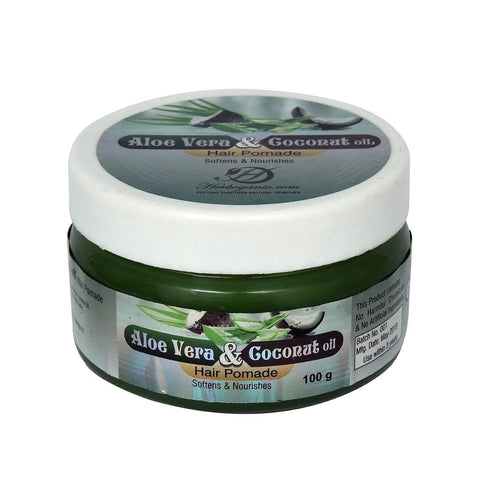
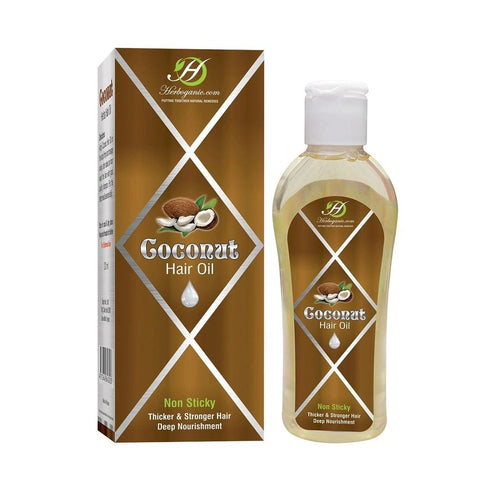
For hair specifically, Coconut Herbal Hair Oil pairs coconut oil with complementary herbal ingredients in a formula built for scalp massage and pre-wash conditioning. It spreads more easily through lengths than a solid oil and is designed to smooth dry-looking ends before shampooing. If your concern is styling rather than conditioning, Aloe Vera and Coconut Oil Hair Pomade combines coconut oil with aloe vera in a softer, more pliable base. It defines curls and coils, tames flyaways, and adds a low-shine finish without the stiff hold of a wax.
Coconut Soaps
Coconut oil is one of the classic soapmaking oils, prized for the firm bar and generous lather it produces. Coconut Herbal Soap is the straightforward option: a cleansing bar with a clean coconut character for daily use in the shower. For a richer, more layered bar, Almond, Coconut and Hemp Seed Oil Herbal Soap blends coconut with almond and hemp seed oils, which makes for a softer feel on the skin and a more complex scent. Both work well as body bars and as hand soaps at the sink.
Coconut Benefits for Skin and Hair
Skin
- Deeply moisturizes: Coconut oil is a rich emollient that softens dry, tight-feeling skin on the body.
- Leaves skin feeling soft and comfortable: A thin layer settles into a smooth, cushioned finish rather than a slick one.
- Targets rough patches: Elbows, knees, heels, and cuticles respond well to a concentrated application.
- Doubles as a massage medium: The slip and slow absorption make it easy to work over larger areas.
Hair & Scalp
- Smooths dry-looking ends: A small amount through the lengths helps hair look less frayed and more polished.
- Adds slip for detangling: Oiled hair combs through with less snagging and less breakage from pulling.
- Comforts a dry scalp: Massaged in before washing, it relieves the tight, dry feeling that follows frequent shampooing.
- Tames frizz and flyaways: Rubbed between the palms and smoothed over the surface, it calms halo frizz on humid days.
Everyday Versatility
- Kitchen and beauty in one jar: Coconut oil has been a cooking and grooming staple across the tropics for centuries.
- Travels well: One container covers body moisturizer, hair treatment, and cuticle balm in a carry-on.
- Blends easily: It carries essential oils, sugar scrubs, and other butters without separating.
- Makes an excellent soap: Coconut oil is one of the reasons a good bar lathers so generously in hard water.
How to Use Coconut Products
- Warm the oil first. Scoop a small amount of solid coconut oil and rub it between your palms for a few seconds. It melts at body temperature and spreads far more evenly as a liquid than as a lump.
- Apply to damp skin. After a shower, pat off with a towel and smooth the oil onto skin that is still slightly damp. Start with less than you think you need and add more only where skin feels dry. A note of caution: coconut oil is rich and can feel heavy on the face, so patch test on a small area first and use it sparingly there, if at all.
- Treat hair before you wash. Work Coconut Herbal Hair Oil into the scalp and through the lengths on dry hair, leave it for 20 to 30 minutes or overnight, then shampoo it out. Oiling before washing keeps the treatment from weighing hair down afterward.
- Style with the pomade. Take a fingertip of Aloe Vera and Coconut Oil Hair Pomade, emulsify it in your palms, and rake it through damp or dry hair to define curls, smooth edges, or add shine. Build in thin layers rather than applying a large amount at once.
- Cleanse in the shower. Lather Coconut Herbal Soap or Almond, Coconut and Hemp Seed Oil Herbal Soap between your hands or on a washcloth, wash, and rinse. Between uses, keep the bar on a draining dish so it dries fully and lasts longer.
Which Coconut Product Is Right for You?
| Your Goal | Best Coconut Product | How to Use It |
|---|---|---|
| One jar for cooking and body care | Organic Coconut Oil Natural | Cook with it, or warm a scoop between the palms and smooth over damp skin after showering. |
| Condition dry lengths and scalp | Coconut Herbal Hair Oil | Massage into scalp and ends, leave 20-30 minutes or overnight, then shampoo out. |
| Define curls and smooth flyaways | Aloe Vera and Coconut Oil Hair Pomade | Emulsify a fingertip in the palms and rake through damp or dry hair in thin layers. |
| A simple daily cleansing bar | Coconut Herbal Soap | Lather in the shower or at the sink, rinse, and store on a draining dish. |
| A richer, more moisturizing bar | Almond, Coconut and Hemp Seed Oil Herbal Soap | Use as a body bar when plain soap leaves skin feeling tight and dry. |
Why Buy Coconut Products From Herboganic?
- A complete coconut range: Oil, hair care, and soaps in one place, so you can pick the right format instead of forcing one product to do every job.
- Thoughtful herbal blends: Our hair oil, pomade, and soaps pair coconut with complementary botanicals rather than relying on coconut alone.
- Honest, straightforward guidance: We tell you where coconut works beautifully and where it can feel too rich, so you buy the product that suits you.
- Built for everyday use: Practical sizes and simple routines designed to fit into a normal shower and getting-ready schedule.
Coconut FAQs
What is coconut oil good for?
Coconut oil is one of the most versatile things you can keep in the house. In the kitchen it is used for sautéing, roasting, and baking. In beauty routines it works as a body moisturizer, a cuticle and heel treatment, a pre-wash hair oil, a detangling aid, and a massage medium. It is also a classic soapmaking oil, which is why it appears in both our Coconut Herbal Soap and our almond and hemp seed bar.
Why does my coconut oil go solid, and how do I soften it?
Coconut oil solidifies below roughly 76°F and melts above it, so a jar naturally changes state with the temperature of the room. This is completely normal and is not a sign of spoilage. To soften it, simply scoop out what you need and rub it between your palms for a few seconds; body heat melts it almost immediately. You can also stand the closed jar in a bowl of warm water for a few minutes.
Will coconut oil clog my pores?
It can, and we would rather be straight with you about it. Coconut oil is a rich occlusive that sits on the surface of the skin and seals it, and many people find it simply too heavy for facial skin, where it can feel greasy and sit in the pores. It generally suits the body and the hair far better than the face. If you do want to try it on your face, patch test a small area first and wait a couple of days before applying it more widely.
Can I use coconut oil on my hair, and how long should I leave it in?
Yes, and hair is where coconut tends to shine. Apply Coconut Herbal Hair Oil to dry hair before washing, concentrating on the mid-lengths and ends and massaging a little into the scalp. Twenty to thirty minutes is enough for a noticeable difference, and you can leave it overnight under a cap for a deeper treatment. Always shampoo it out afterward, otherwise fine hair in particular can look weighed down.
Is coconut oil suitable for the face?
For some people, yes; for many others it is too rich. Because it is so occlusive, facial skin that is already oily or congestion-prone often does not get along with it. Drier skin types sometimes tolerate a very thin layer well, especially overnight. Our advice is to patch test, use a tiny amount, and stop if skin starts to feel heavy or looks congested. For the body, those concerns largely disappear.
How should I store coconut products, and how long do they last?
Keep coconut oil in a tightly closed jar away from direct sunlight and heat, and always use clean, dry hands or a clean spoon to scoop it out, since water and food particles are what shorten its life. Hair oils and pomades do best in a cool, dry cupboard rather than a steamy shower. Bar soaps should be stored on a draining dish so they dry fully between uses, which keeps them firm and makes them last considerably longer. Check the packaging for the specific shelf life of each product.
Is coconut oil suitable if I have a tree-nut allergy?
Please check with your healthcare provider before using coconut products if you have a tree-nut allergy. Botanically, a coconut is a drupe rather than a true nut, but the FDA classifies coconut as a tree nut for food labeling purposes in the United States. Reactions in people with other tree-nut allergies are not the norm, but they are not unheard of either, and this is not a judgment call to make on your own. Your provider can advise you based on your specific allergy history.